Onboard power generation for cross-belt sorter carts
Understand the generator-wheel concept, the conductor-rail trade-off and the validation questions that matter before a retrofit or OEM release.
Current collection, distribution and onboard power interfaces for moving sorter carriers.
Motion & supportCarrier drive, rolling, guidance and structural parts that determine motion quality and accumulated tolerance.
Control & communicationDetection, signal transmission and local control hardware used to coordinate parcel and carrier movement.
Installation accessoriesMechanical and electrical interface parts that support repeatable assembly, routing and field replacement.
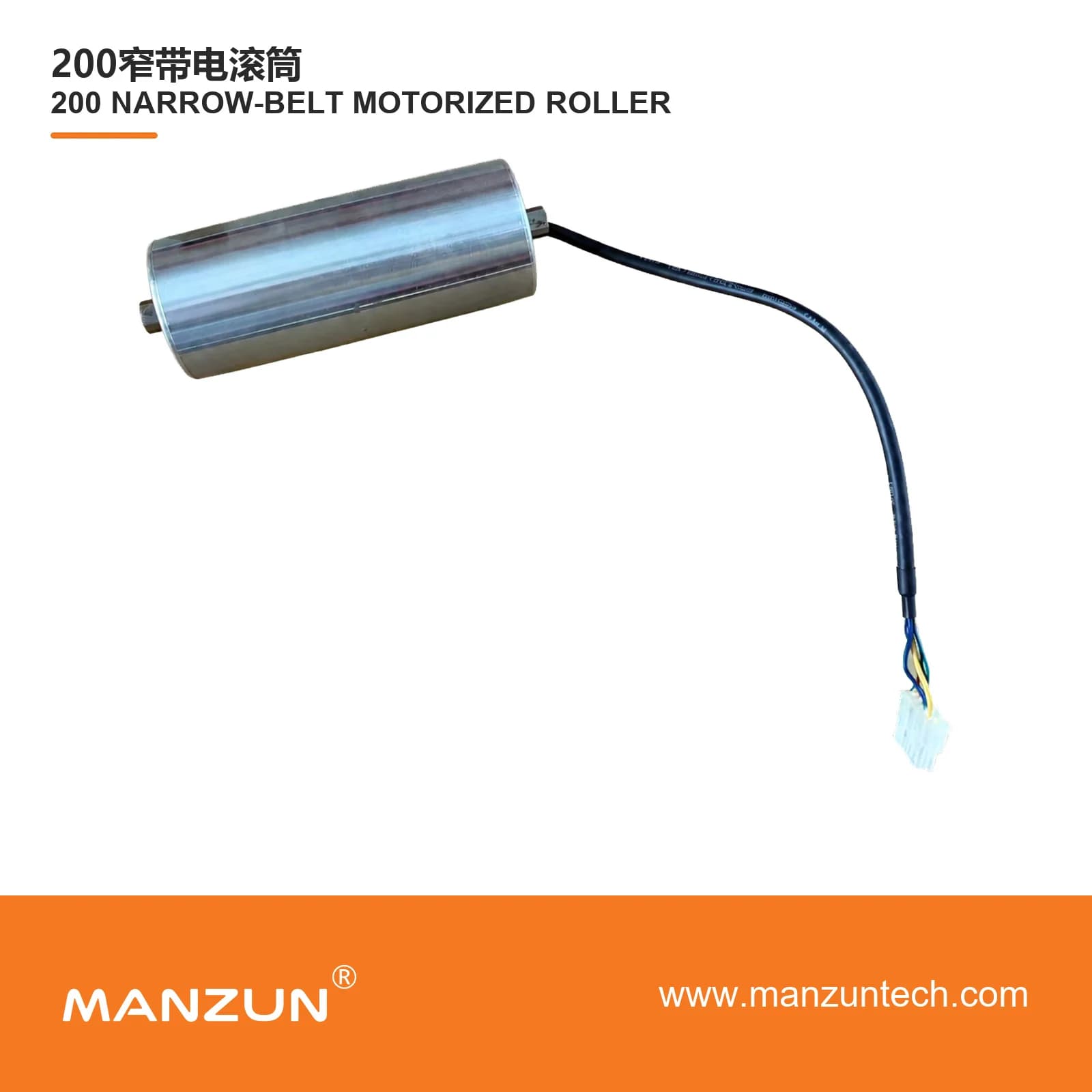
200 narrow-belt motorized roller
Specify voltage, speed, roller dimensions, connector, duty cycle and the narrow-belt cart interface as one drive package.
Component detail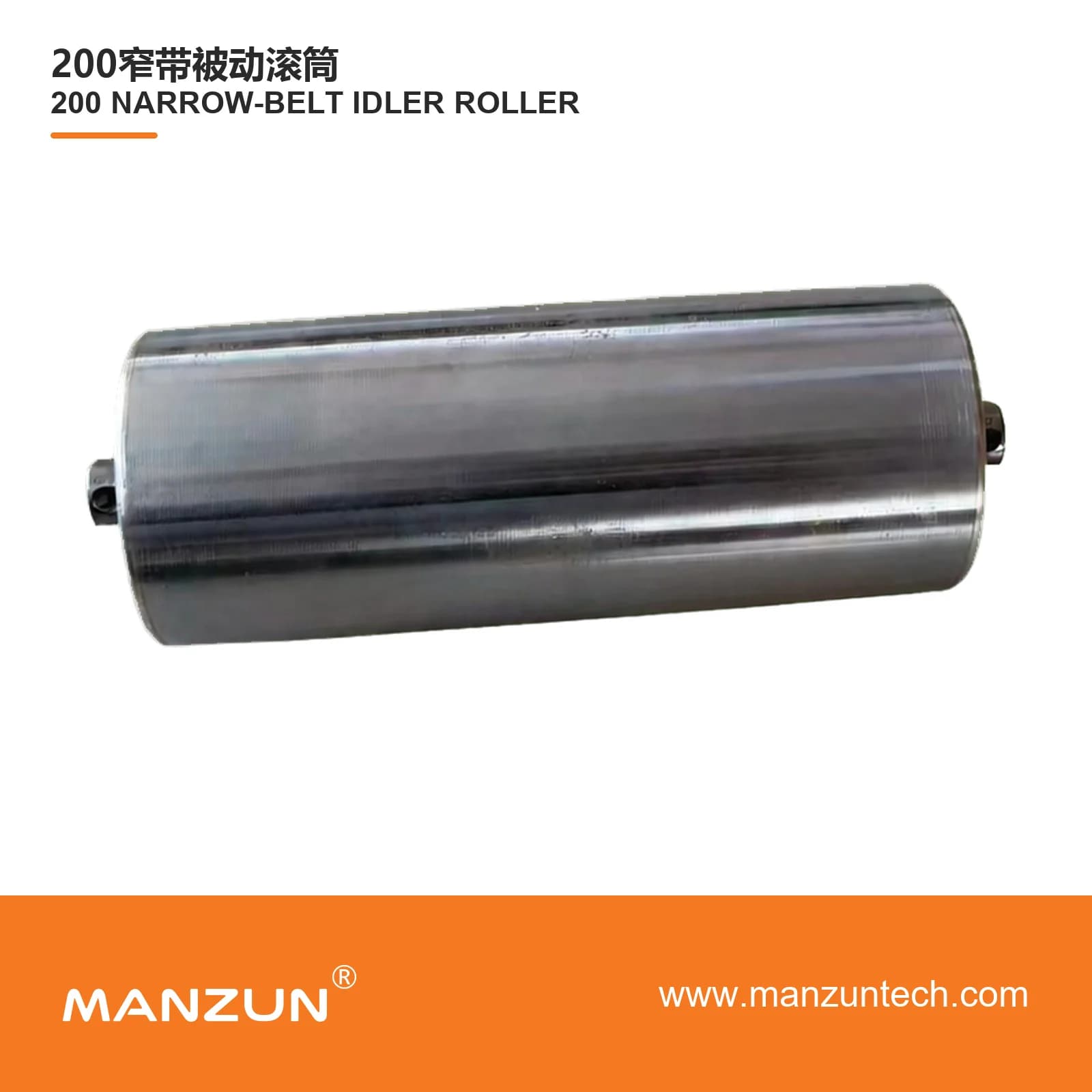
200 narrow-belt idler roller
Check shaft geometry, bearings, shell finish, runout and belt tracking against the powered roller and cart structure.
View system group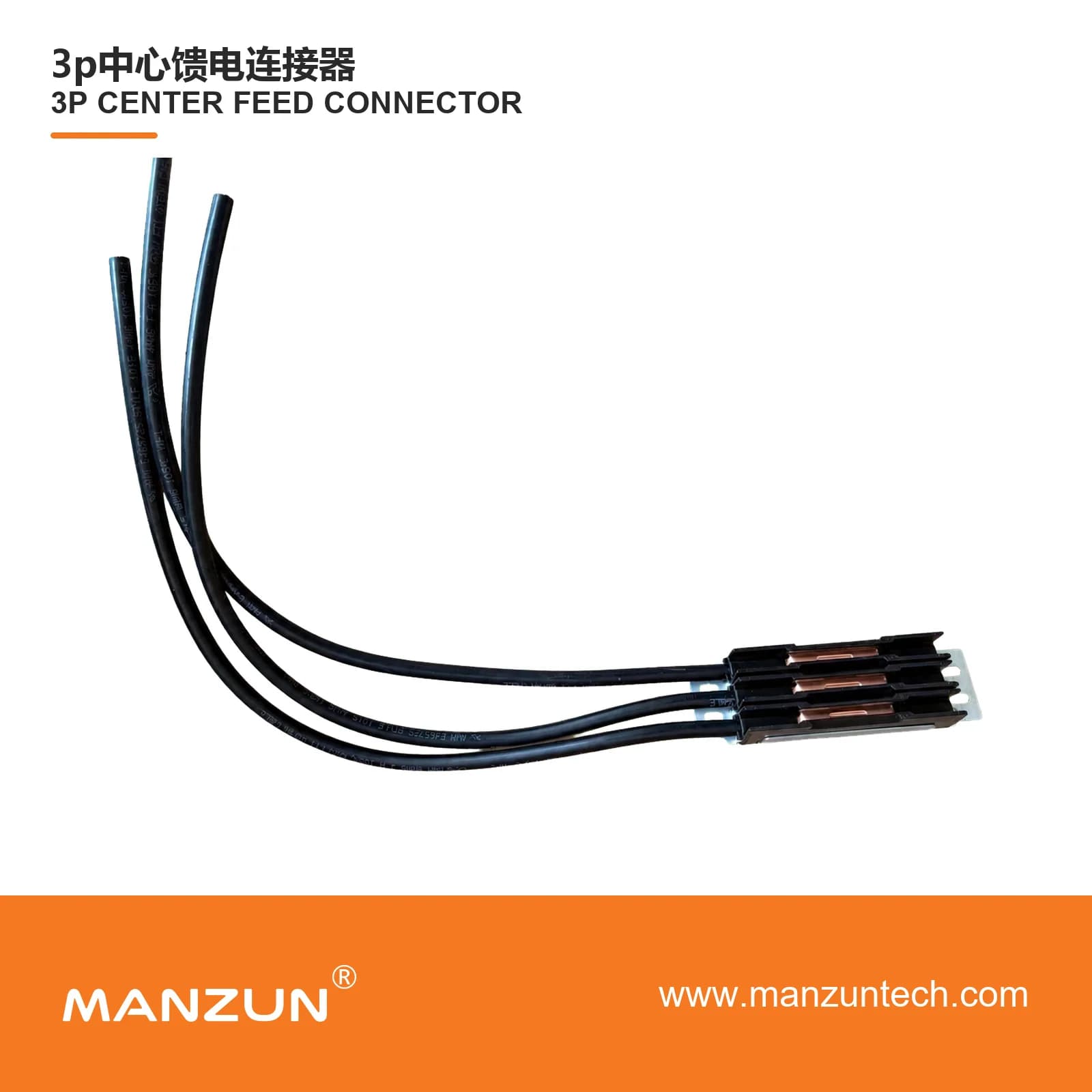
3P center-feed connector
Confirm conductor profile, phase assignment, current rating, insulation, fastening and feed location before integration.
View system group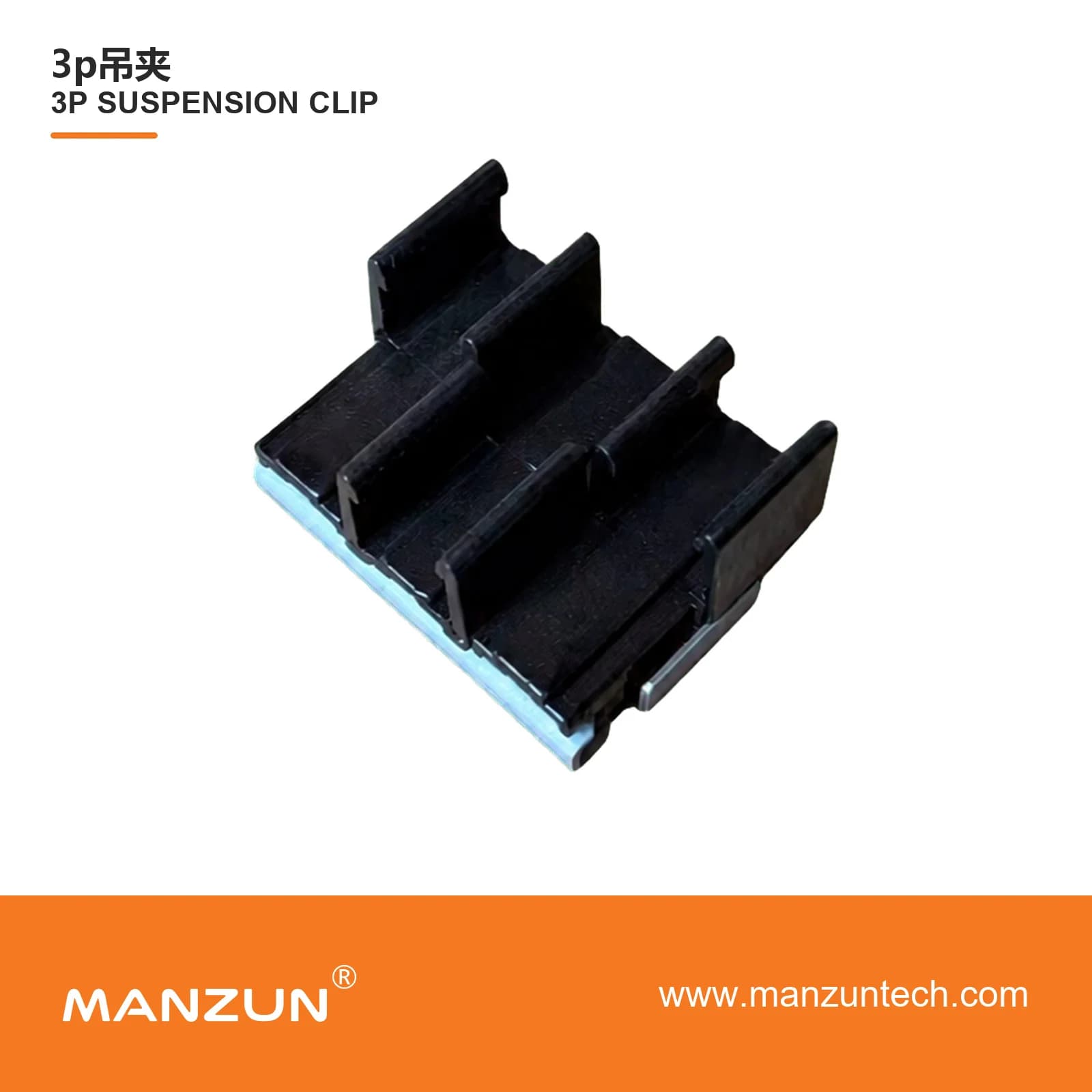
3P suspension clip
Spacing, retention force, insulation and installation tolerance must match the conductor-rail layout and support structure.
View system group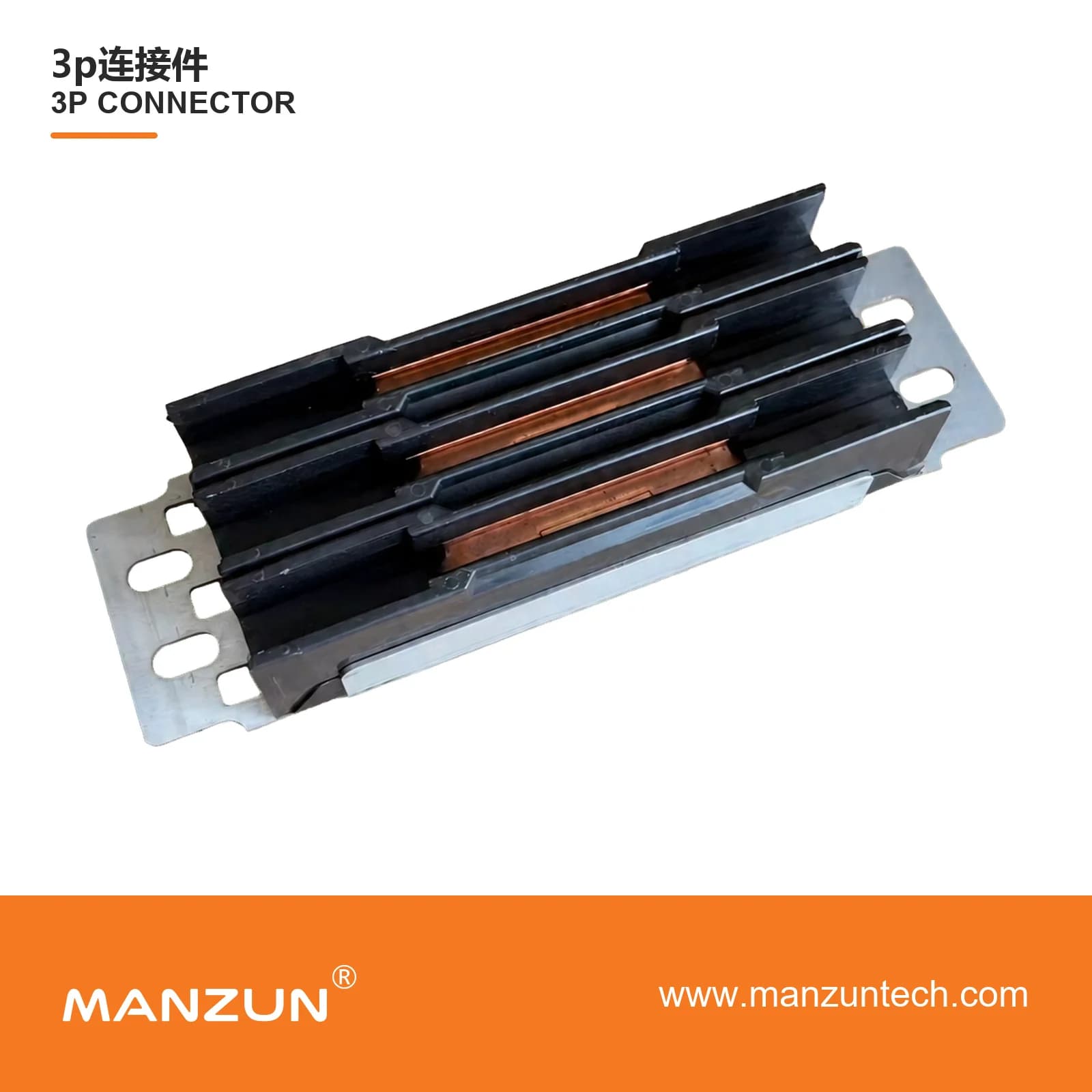
3P connector
Use controlled joint alignment and electrical continuity criteria to avoid local heating and collector wear.
View system group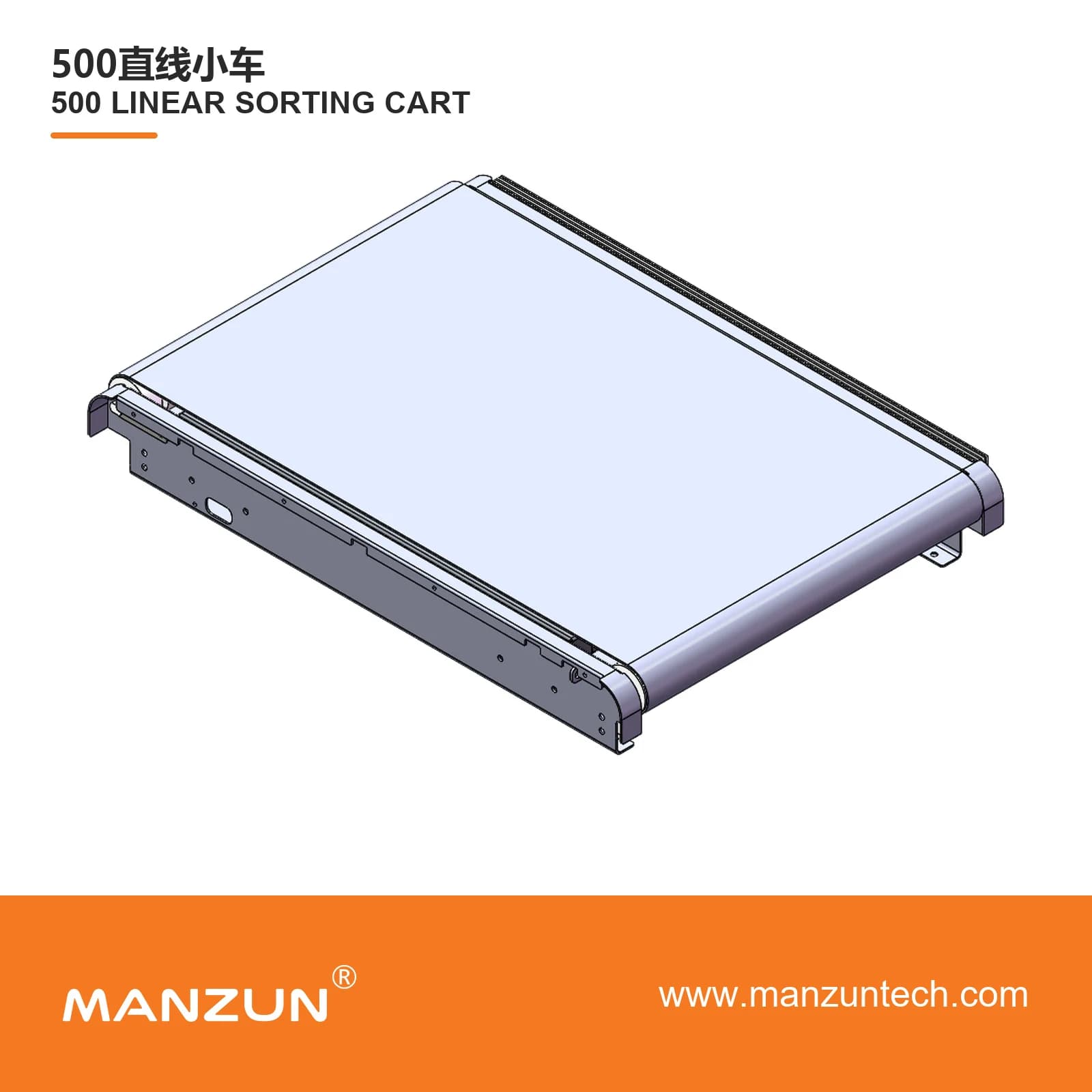
500 linear sorting cart
Cart pitch, belt surface, payload, wheels and discharge timing must fit the complete linear-sorter architecture.
Component detail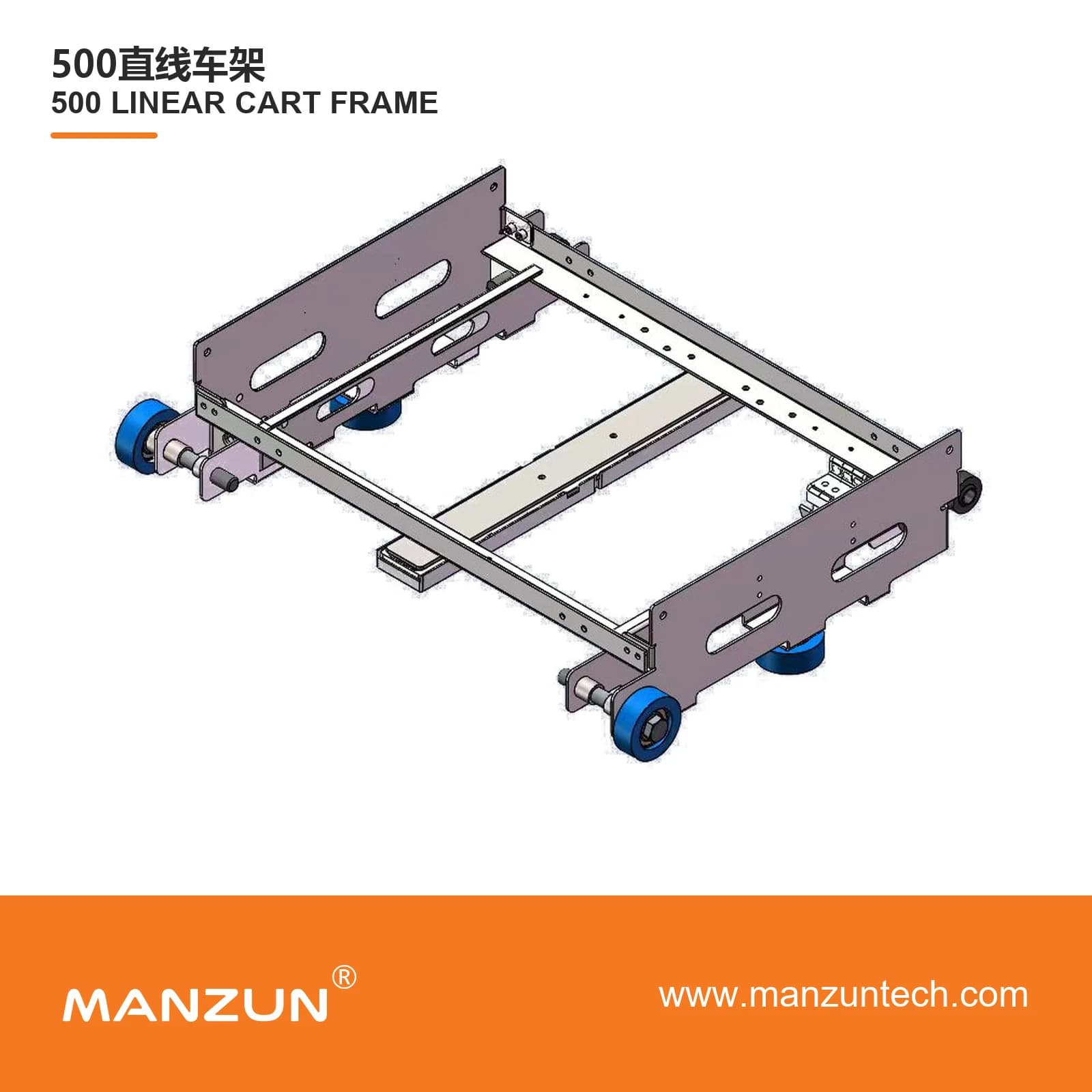
500 linear cart frame
Validate frame stiffness, wheel position, interfaces, tolerances and replacement access before production release.
View system group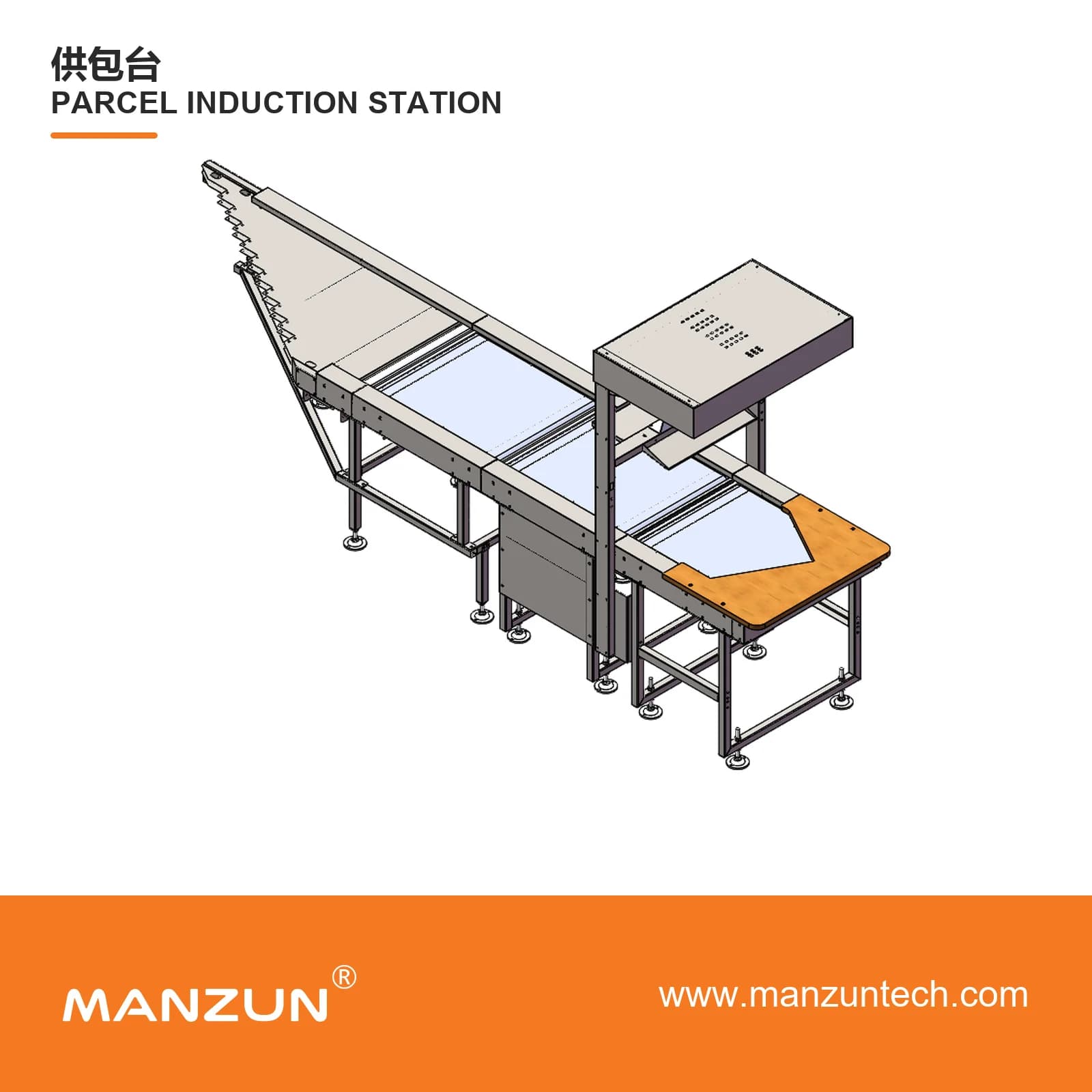
Parcel induction station
Coordinate weighing, dimensioning, barcode identification, spacing and hand-off timing with the sorter controls.
Component detail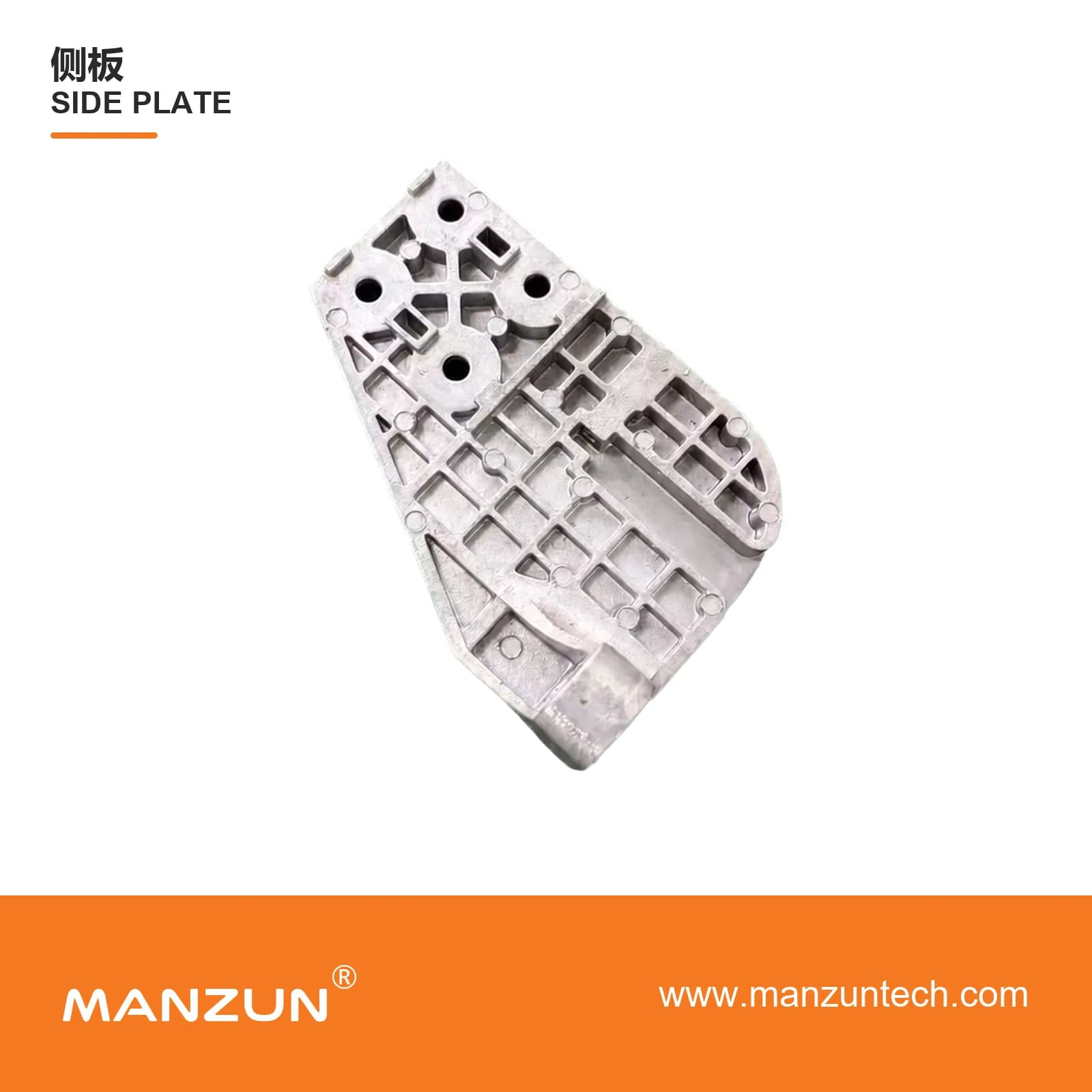
Sorter side plate
Material, hole pattern, flatness and finish affect cart alignment, guarding interfaces and repeatable assembly.
View system group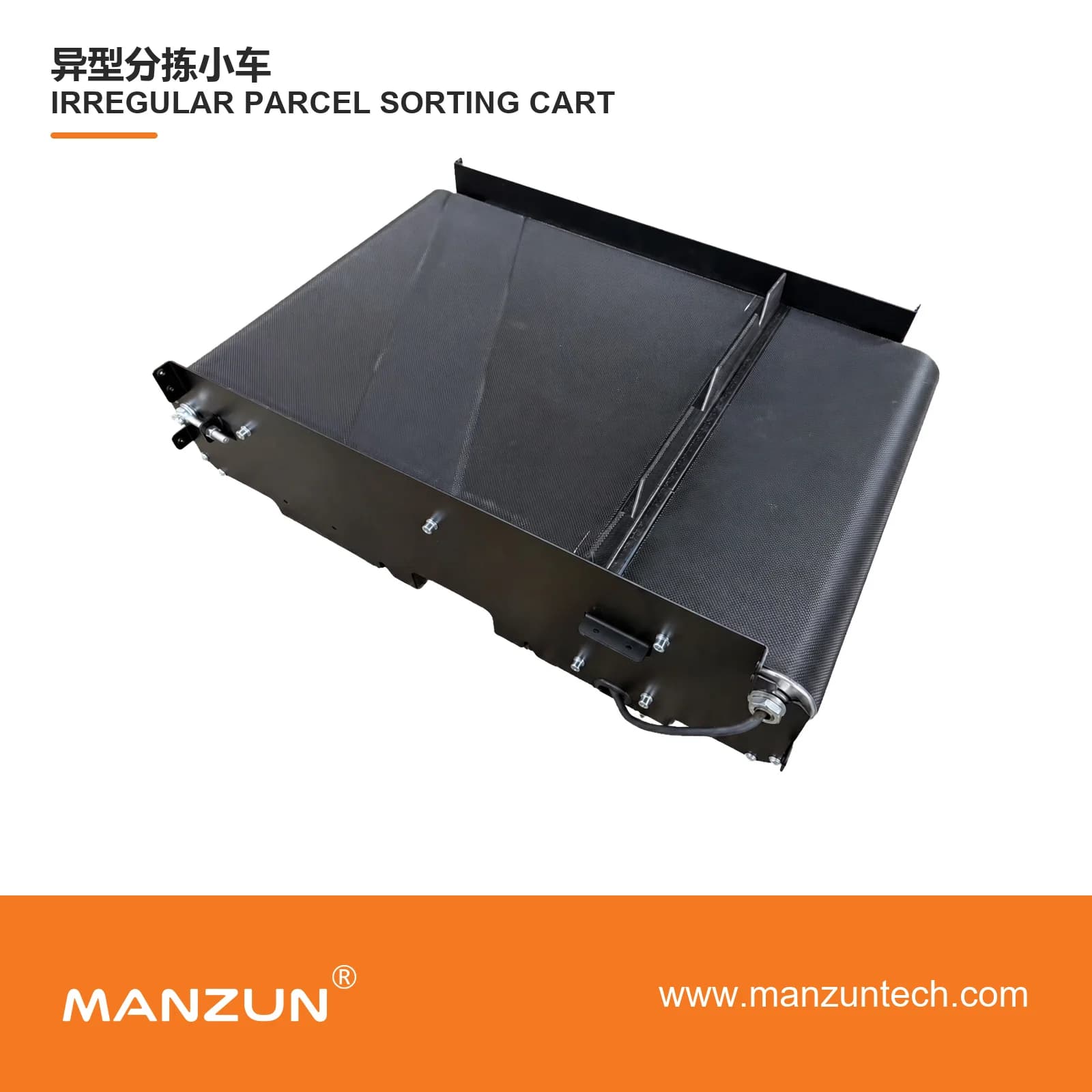
Irregular-parcel sorting cart
The carrier surface and discharge method must be tested with unstable, soft, round or non-standard items.
Component detail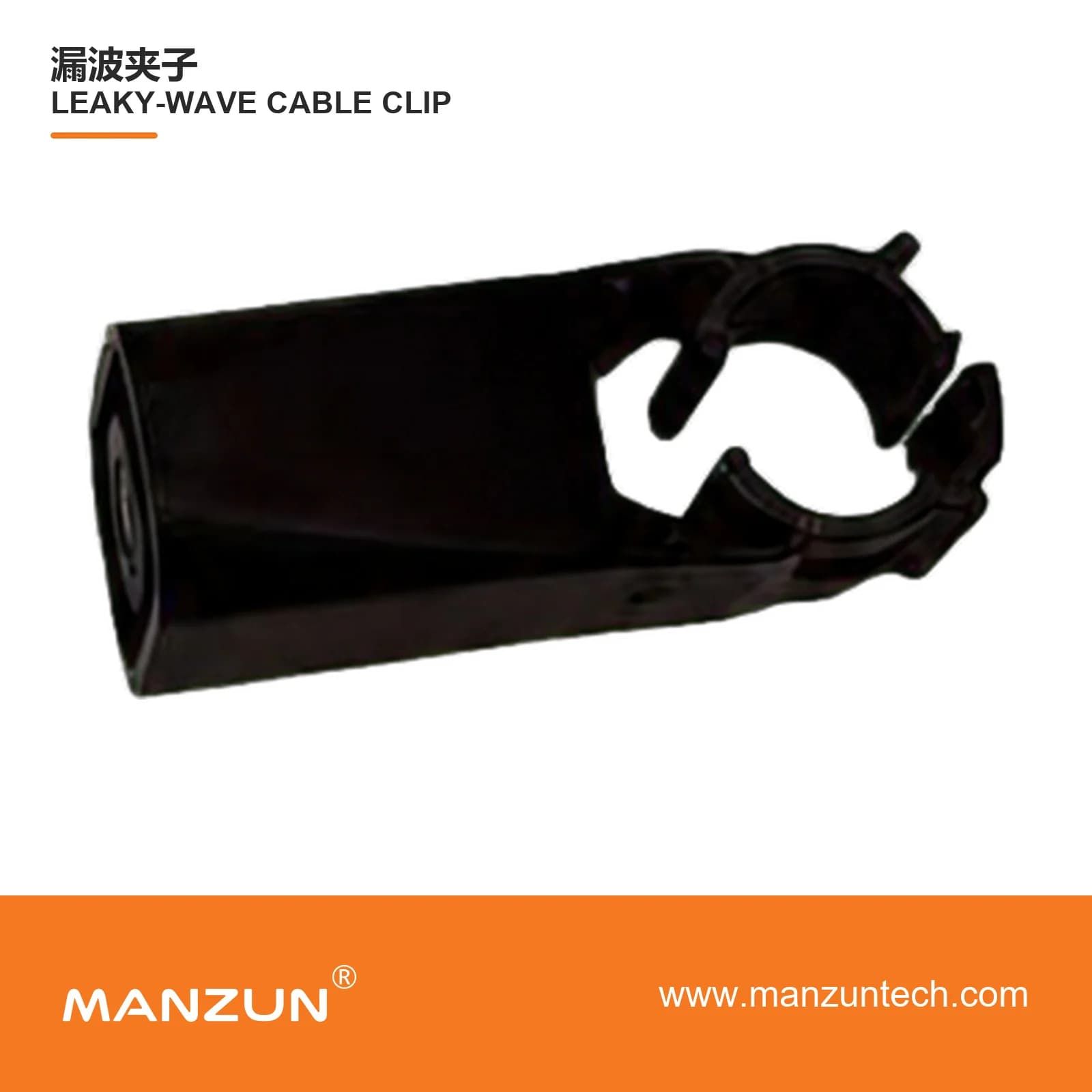
Leaky-wave cable clip
Clip spacing, cable bend radius, RF path and service access must be defined with the communication architecture.
View system group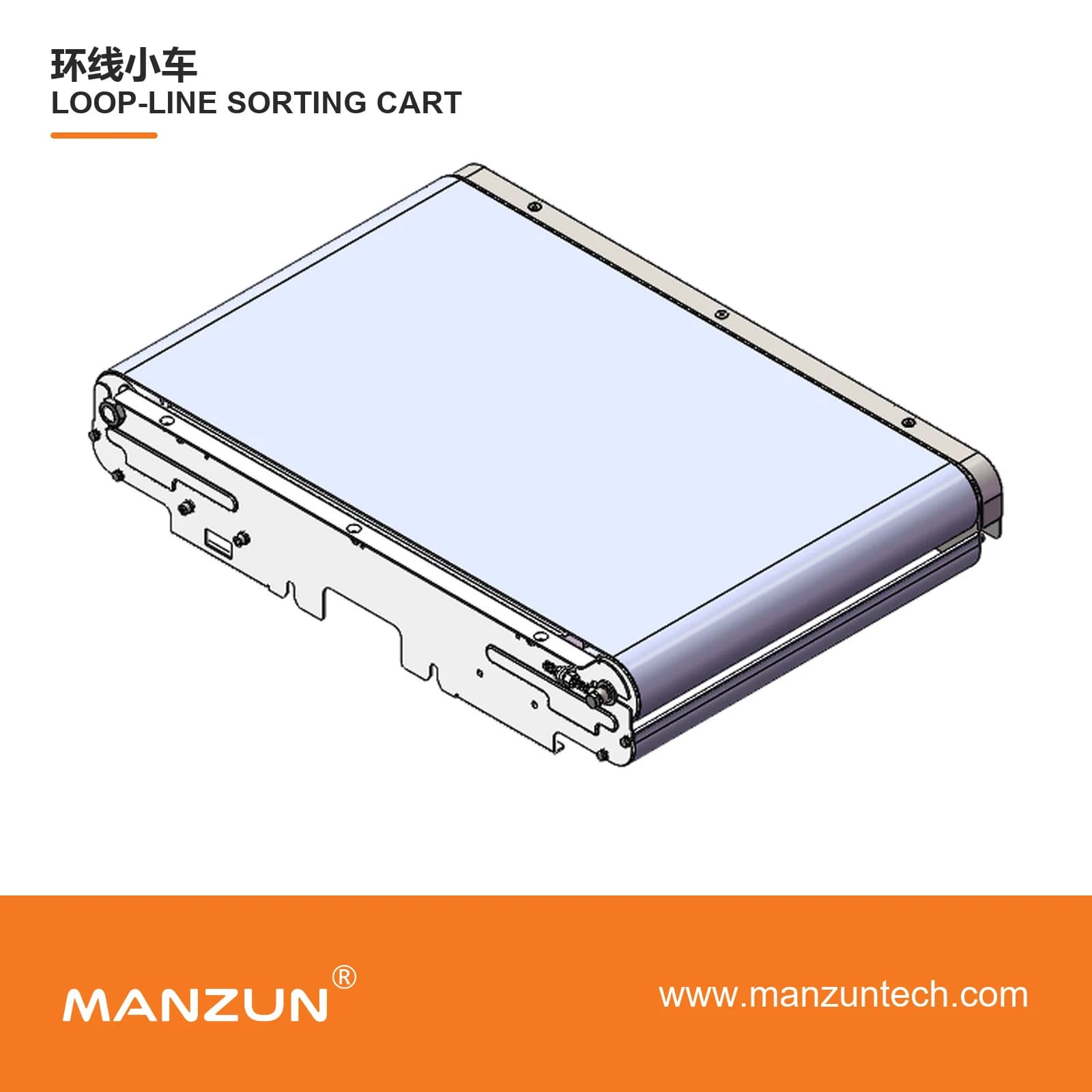
Loop sorter cart
Treat the carrier, wheels, power interface, controls and belt discharge as one validated moving assembly.
Component detail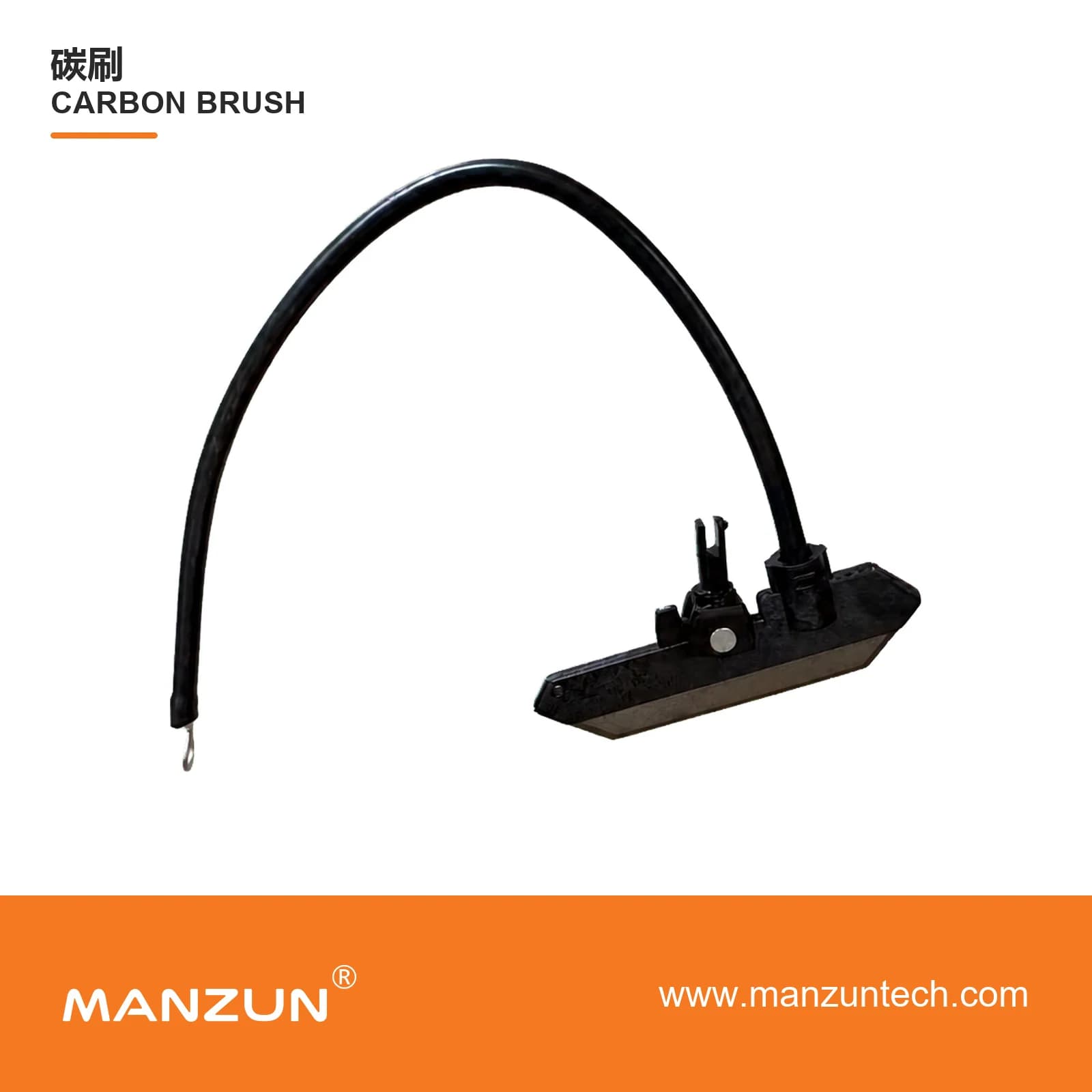
Carbon brush
Current density, contact pressure, rail finish, contamination and replacement criteria drive service performance.
View system group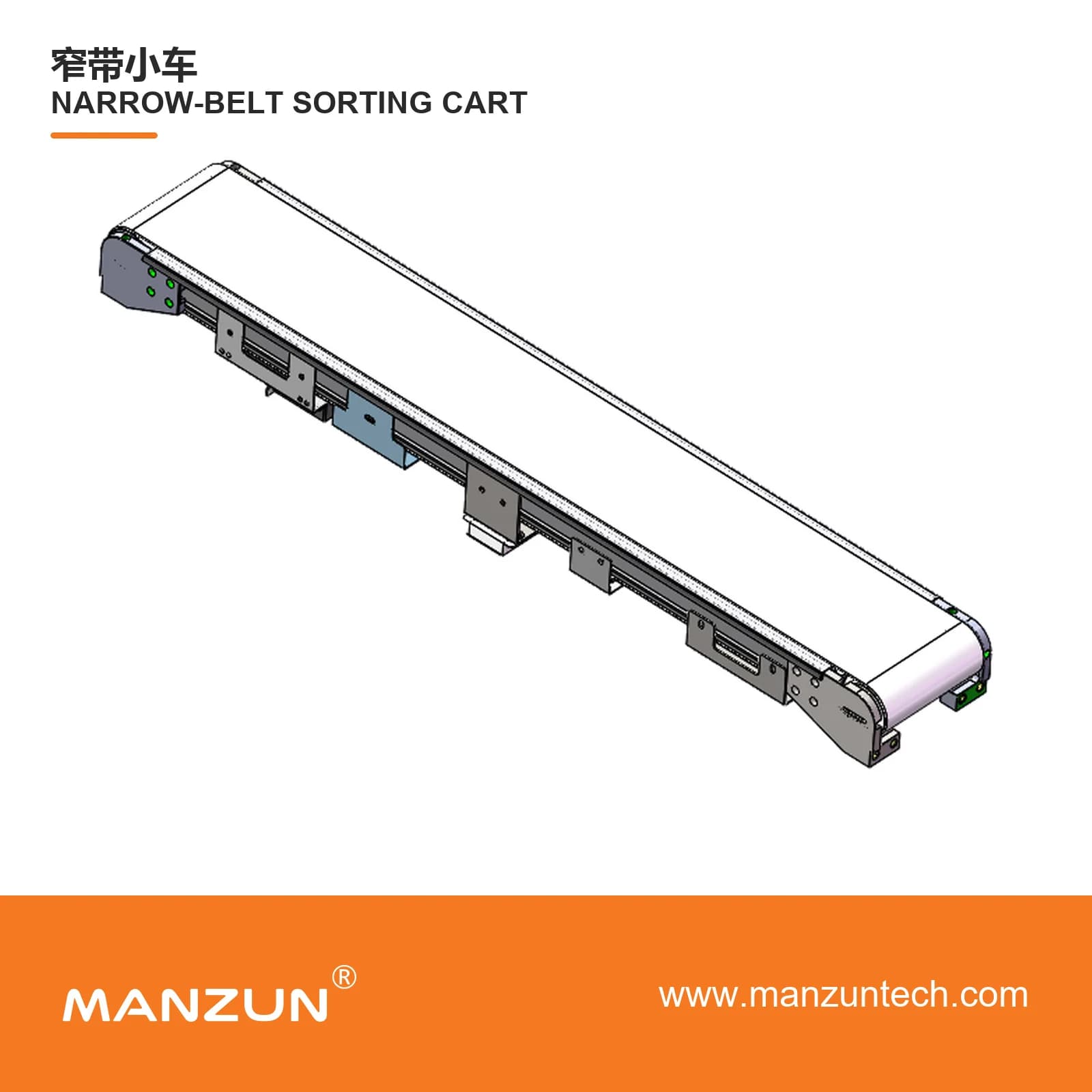
Narrow-belt sorting cart
Belt width, multi-cart loading, transfer stability, drive arrangement and service access define application fit.
Component detail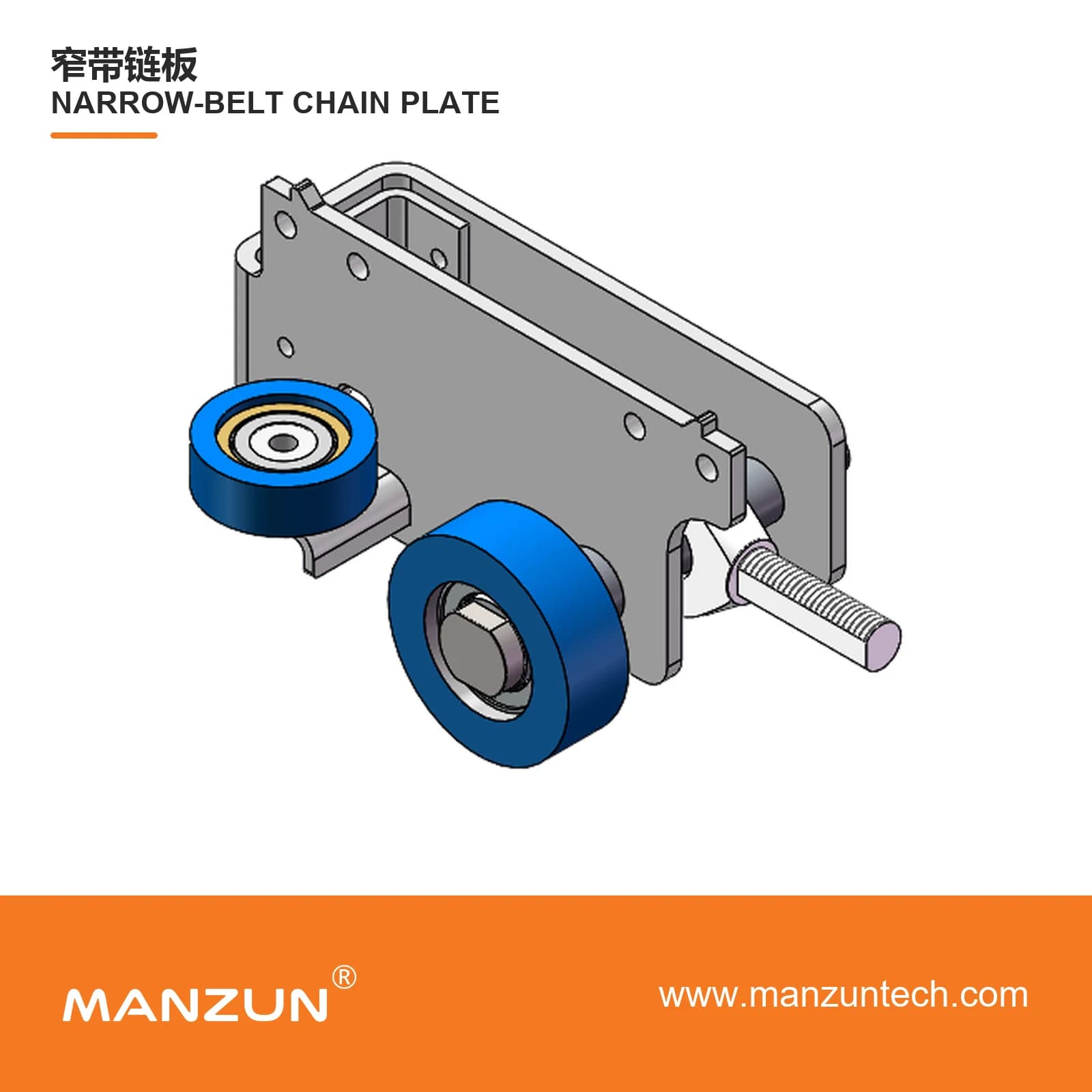
Narrow-belt link plate
Review chain interface, bearings, wheel geometry, stiffness and accumulated pitch tolerance across the sorter.
View system group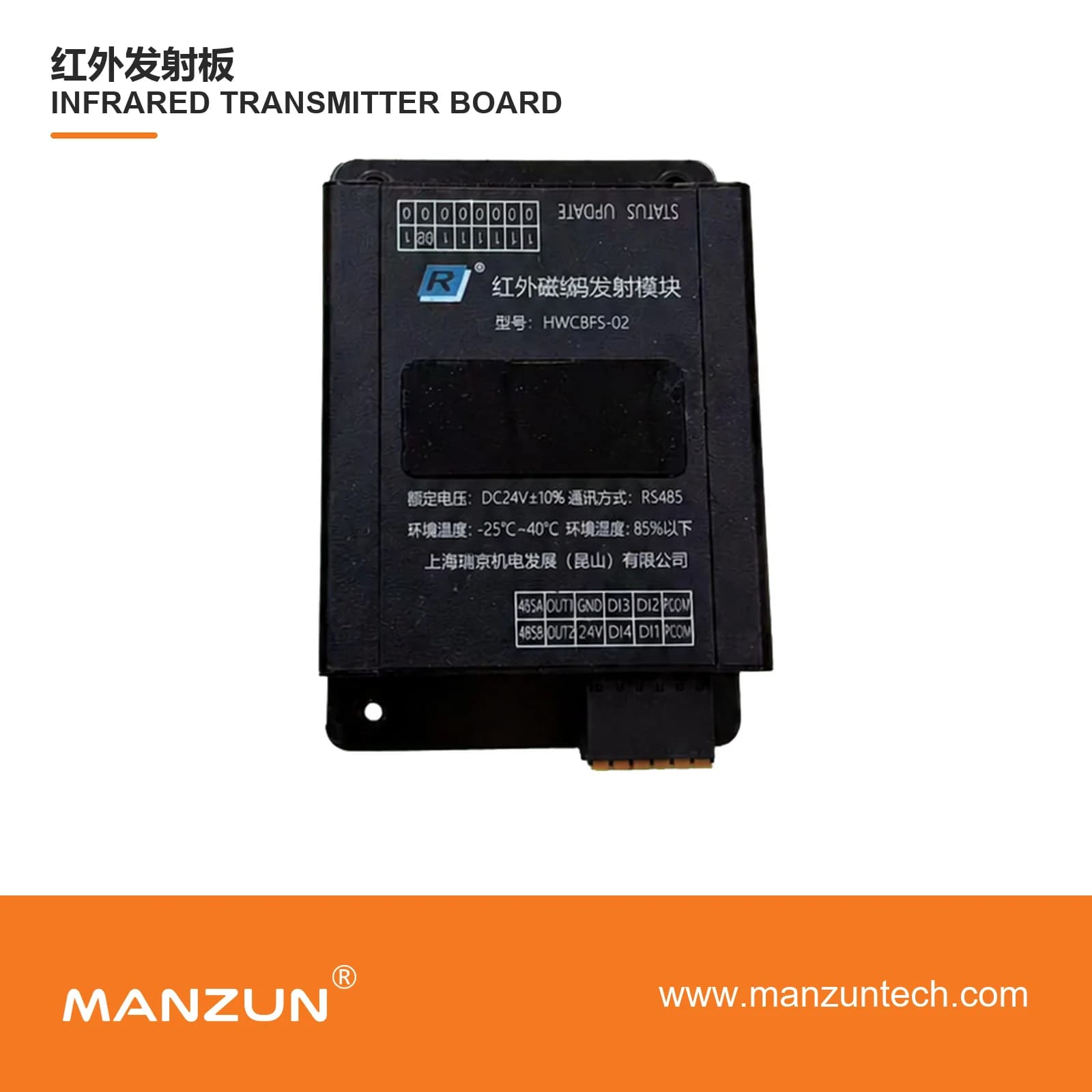
Infrared transmitter board
Optical range, alignment, channel assignment, supply and environmental protection must match the detection design.
View system group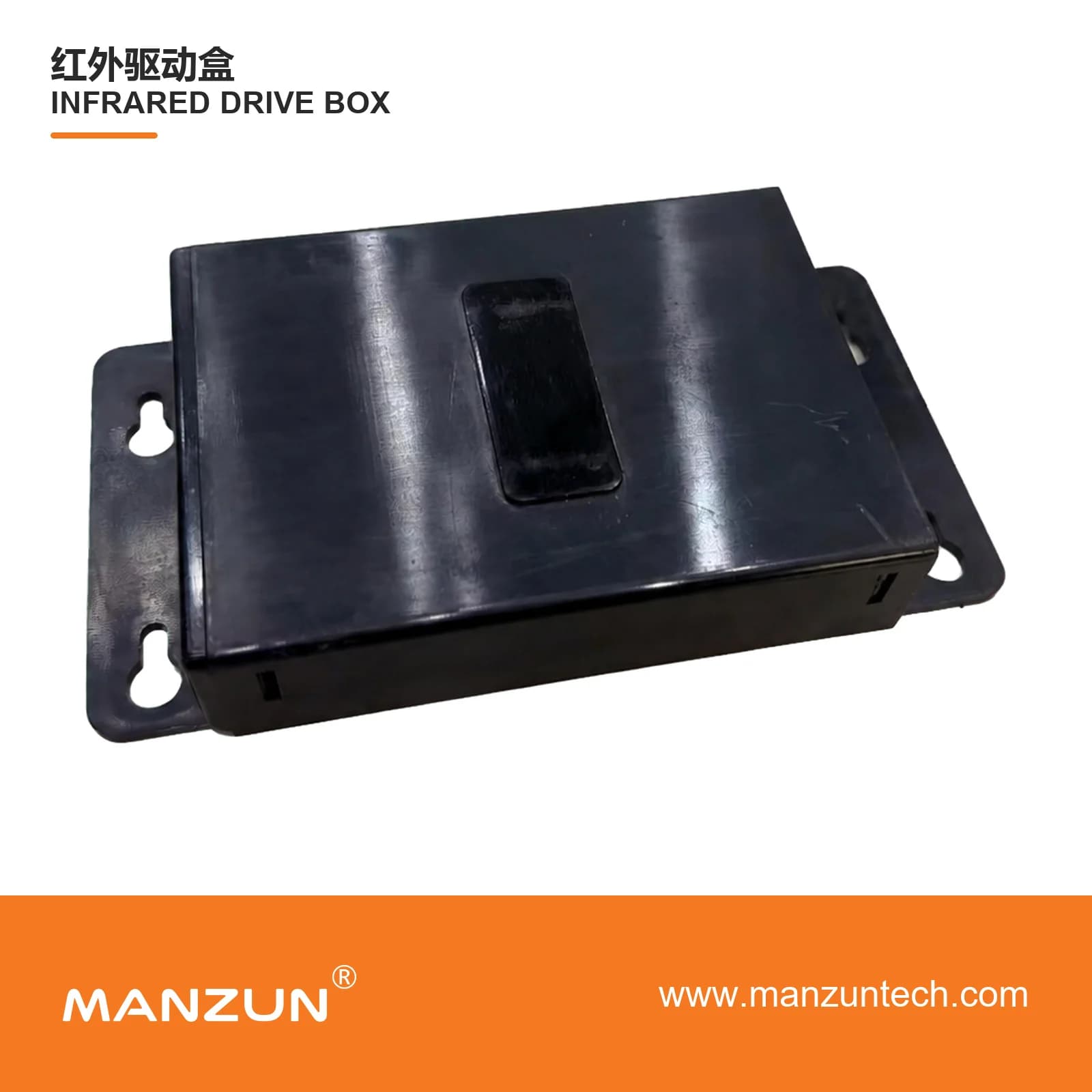
Infrared drive box
Define power, signal processing, PLC interface, diagnostics and enclosure requirements as part of the sensor loop.
View system group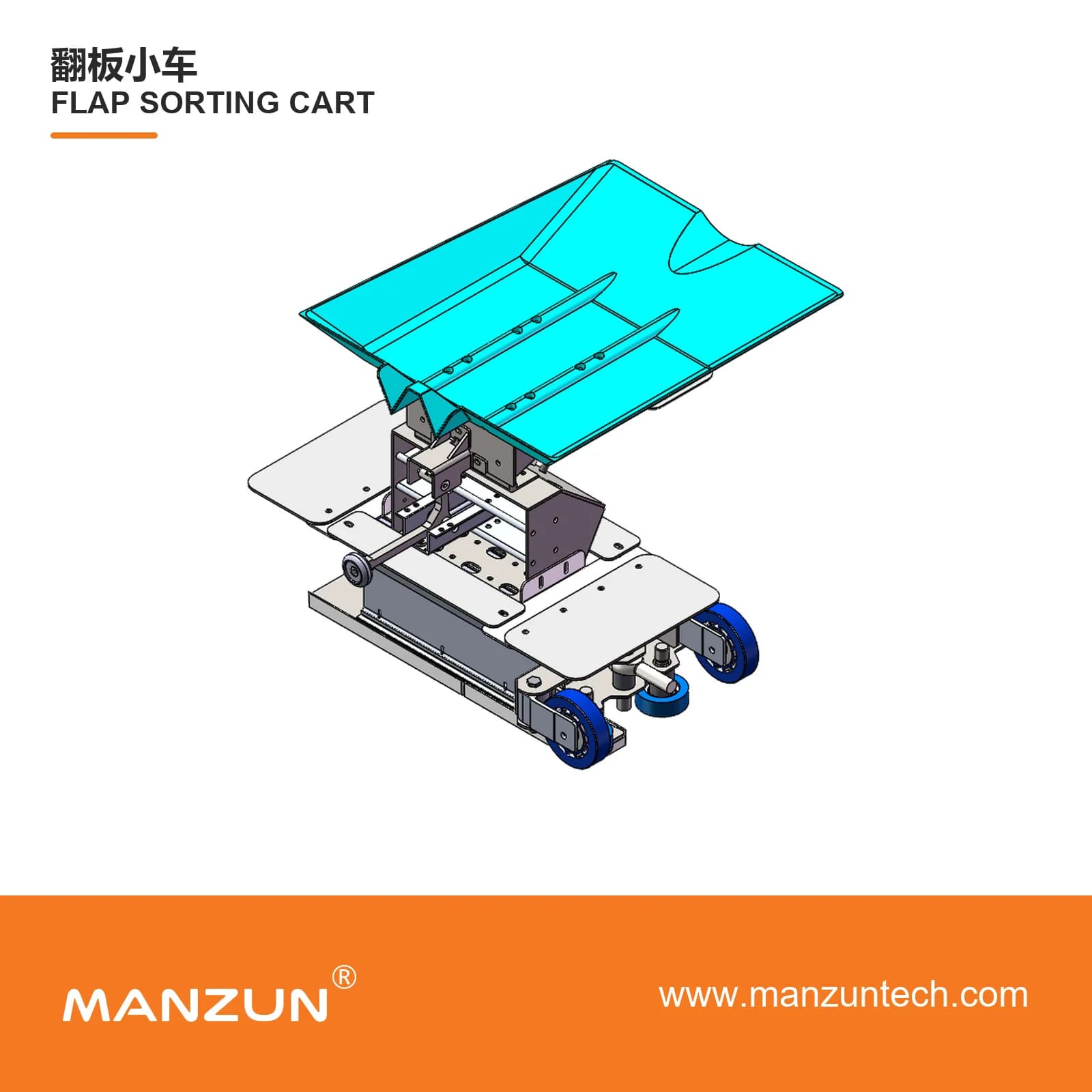
Flap sorting cart
Tray geometry, release timing, item stability and receiving-chute design must be proven with the real parcel mix.
Component detail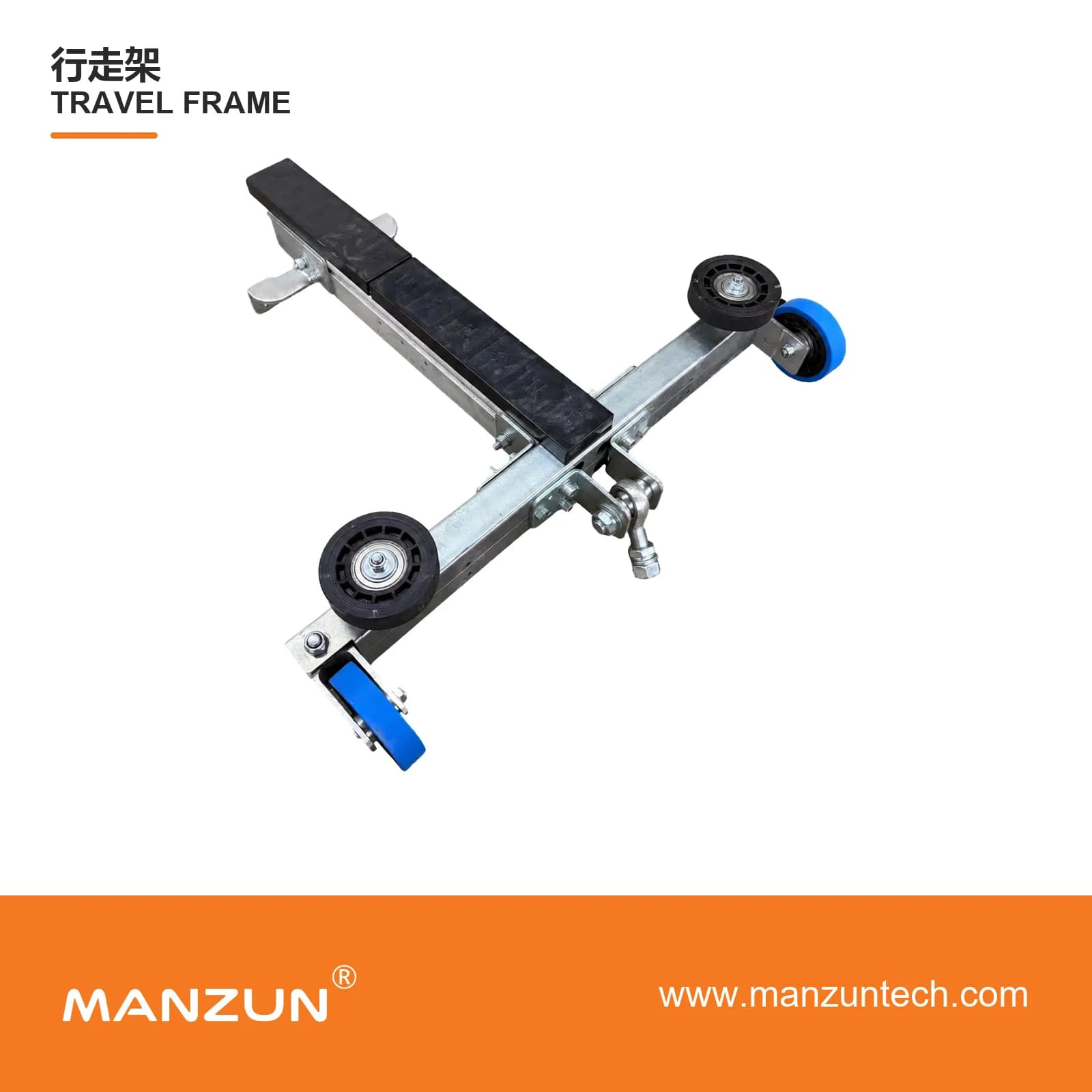
Sorter running frame
Frame geometry, stiffness, interfaces and inspection access establish the moving assembly's alignment baseline.
View system group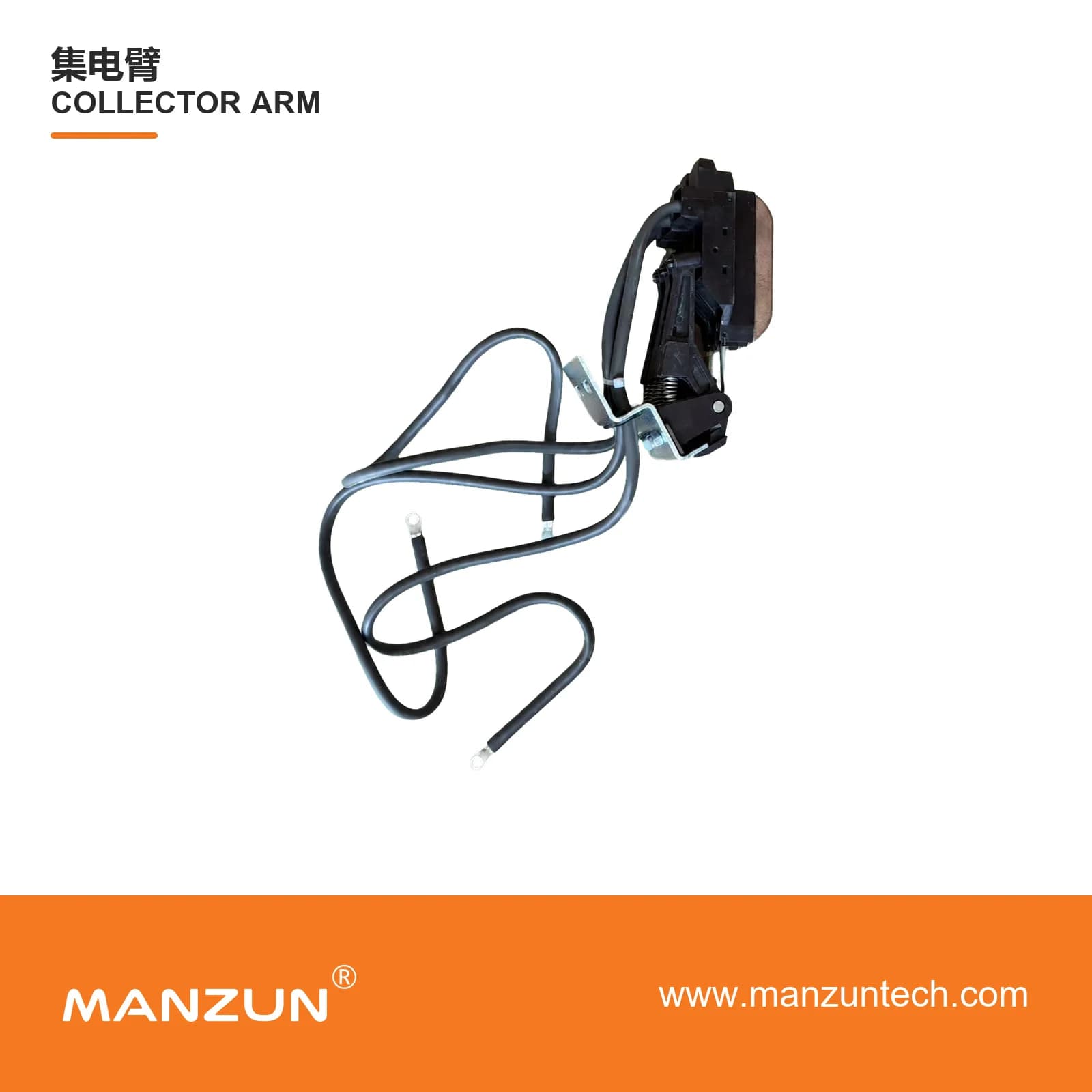
Current collector arm
Spring force, travel, brush holder, cable routing and safe isolation must suit rail tolerances and line speed.
View system group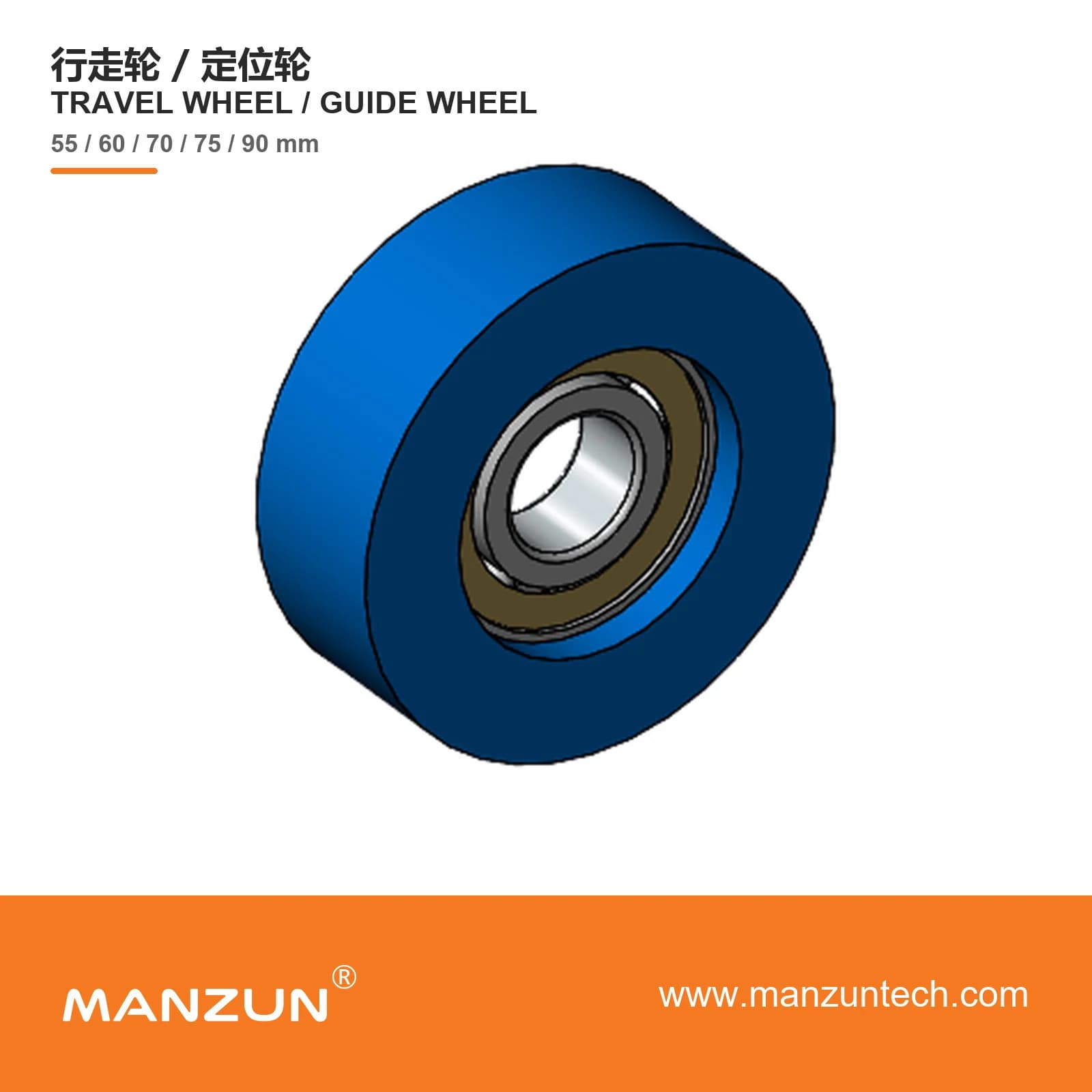
Running wheel / positioning wheel
Wheel material, profile, bearing, preload and track tolerance influence noise, vibration and carrier stability.
View system group